
8 Pull-Up Alternatives
The pull-up trains your lats, upper back and biceps as you pull your body from a dead hang until your chin clears the bar. You need a substitute when you cannot do a full pull-up yet, when you have no bar, or when your elbows need a change.
-
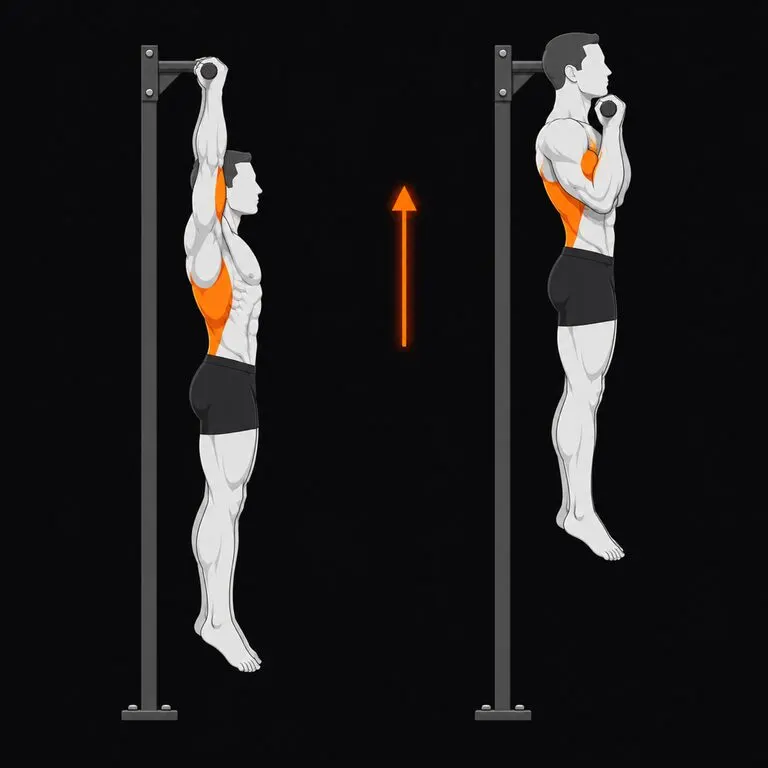
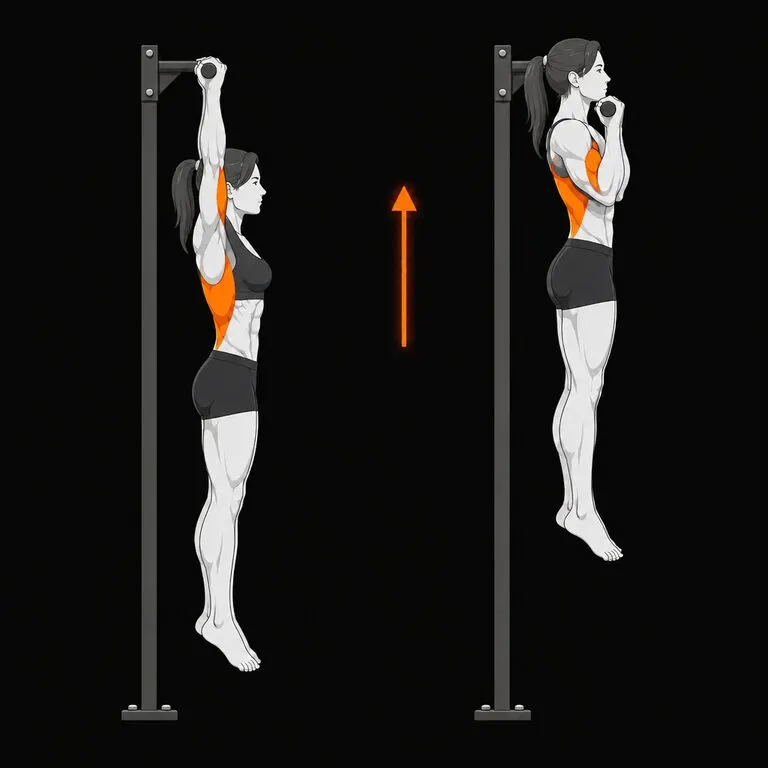
1. Chin-up
- Same main muscle
- Same movement pattern
- Pull-up bar
The chin-up uses the same bar with your palms facing you and a shoulder-width grip. The biceps help more, so most people can do more chin-ups than pull-ups.
To build muscle: 3 x 3-8 reps (from the app's rules).
-
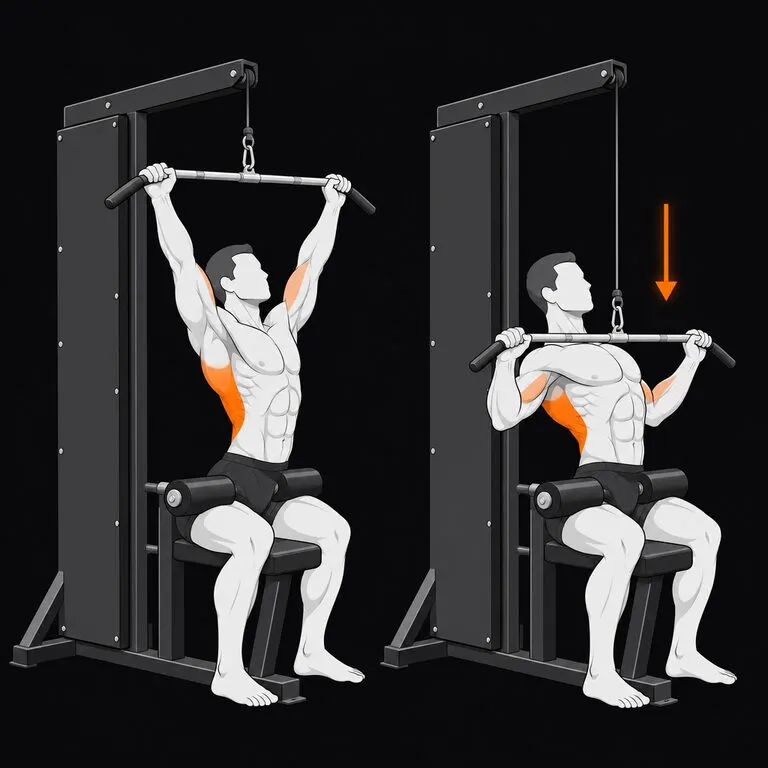
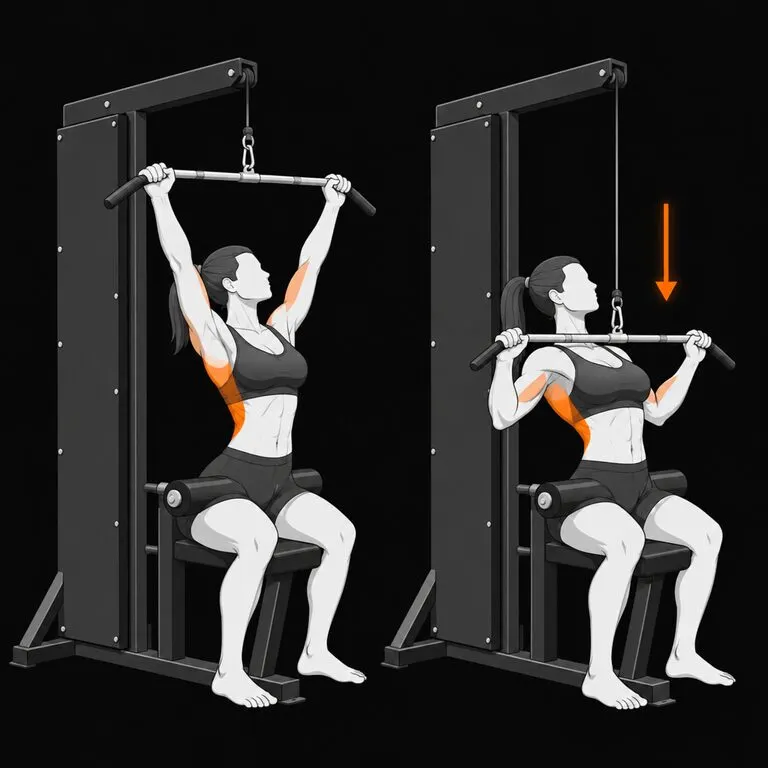
2. Wide-grip lat pulldown
- Same main muscle
- Same movement pattern
- Lat pulldown
You sit at a machine and pull the bar to your upper chest with a wide grip. You choose the weight, so you can train the pull-up pattern long before you can lift your own body.
To build muscle: 3 x 8-12 reps (from the app's rules).
-
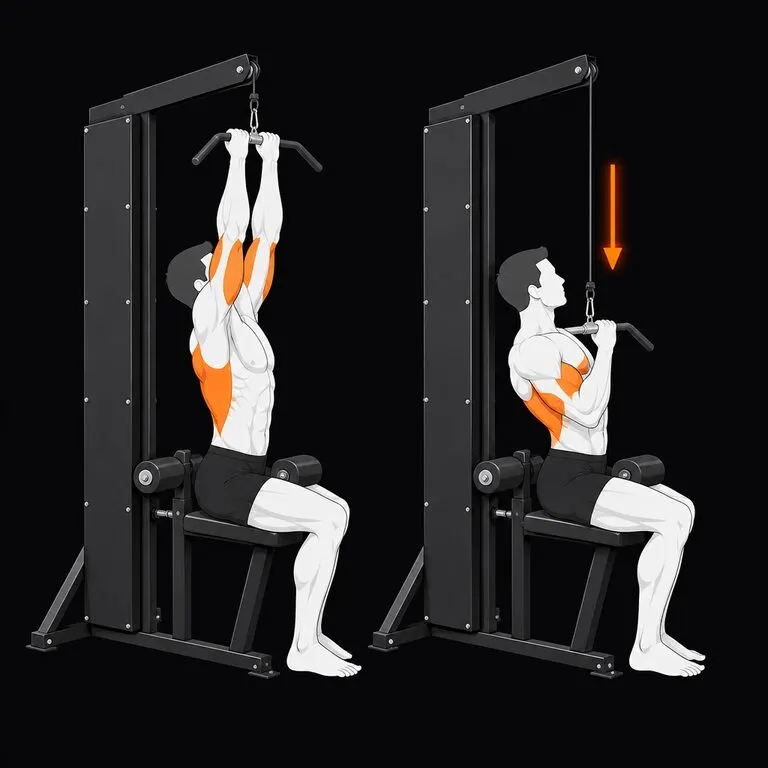
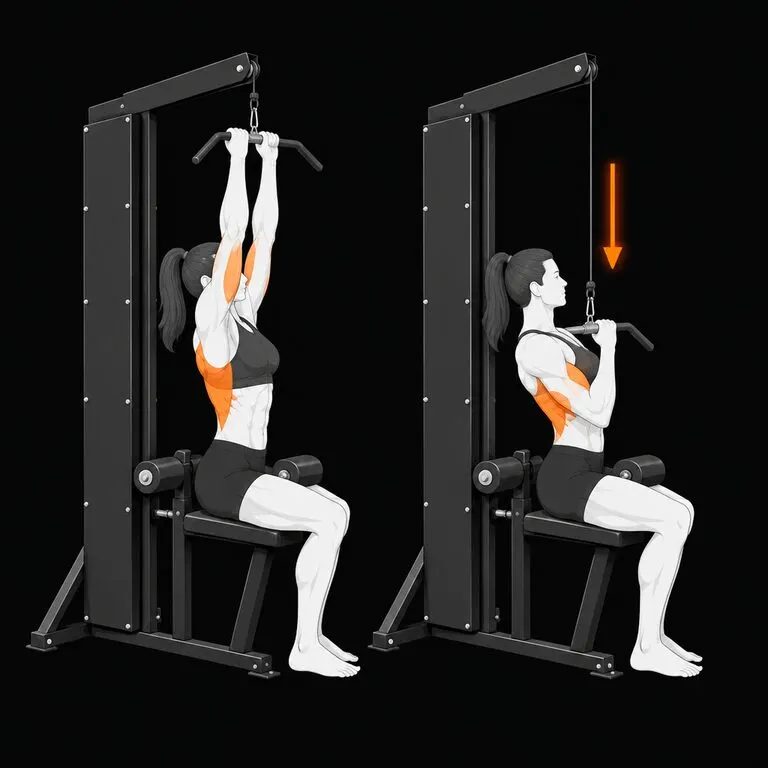
3. Close-grip lat pulldown
- Same main muscle
- Same movement pattern
- Lat pulldown
This pulldown uses a narrower grip and keeps your elbows close to your sides. It trains the same lats with an adjustable load, and some people find it easier on the shoulders.
To build muscle: 3 x 8-12 reps (from the app's rules).
How to do it
- Grip the bar with hands closer than shoulder width.
- Lean back a little and keep your chest up.
- Pull the bar to your chest with your elbows close to your sides.
- Return slowly to straight arms.
-
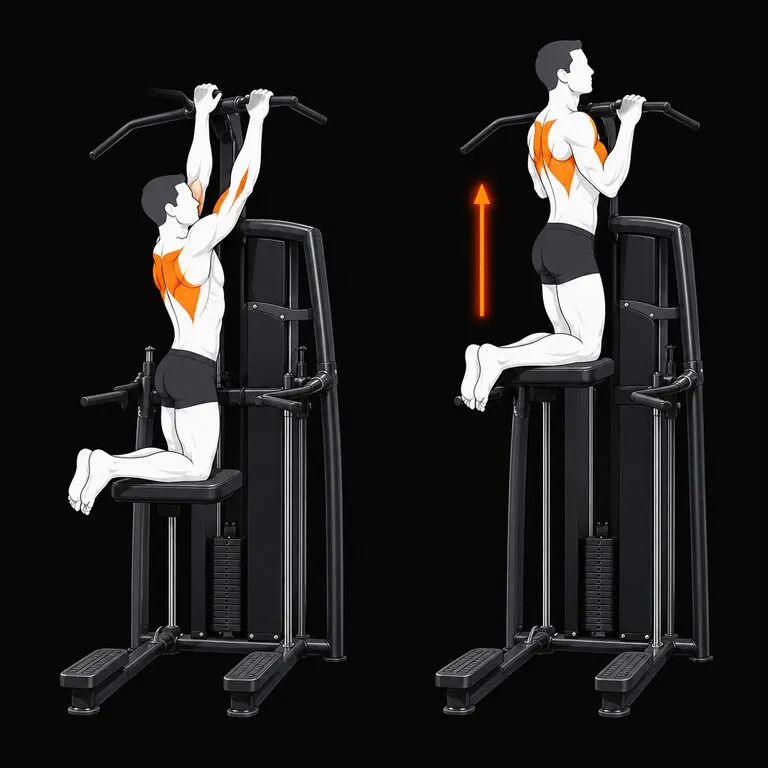
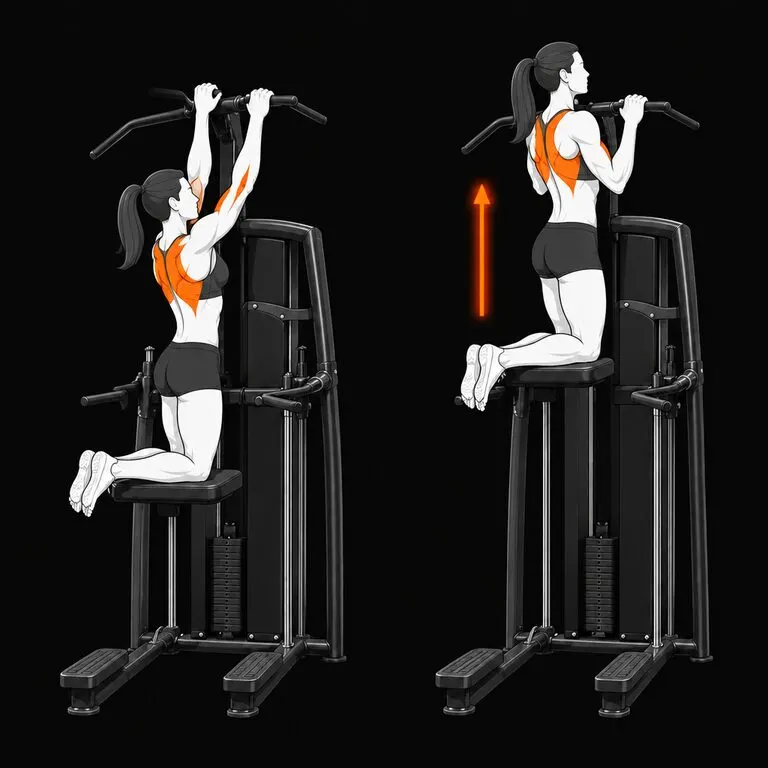
4. Assisted pull-up
- Same main muscle
- Same movement pattern
- Assisted pull-up machine
The machine pushes up under your knees or feet and takes part of your body weight. It is the closest match to a real pull-up, and you reduce the help as you get stronger.
To build muscle: 3 x 3-8 reps (from the app's rules).
How to do it
- Kneel or stand on the pad and grip the handles.
- Pull your shoulders down first.
- Pull until your chin is over the handles.
- Lower slowly to straight arms.
-
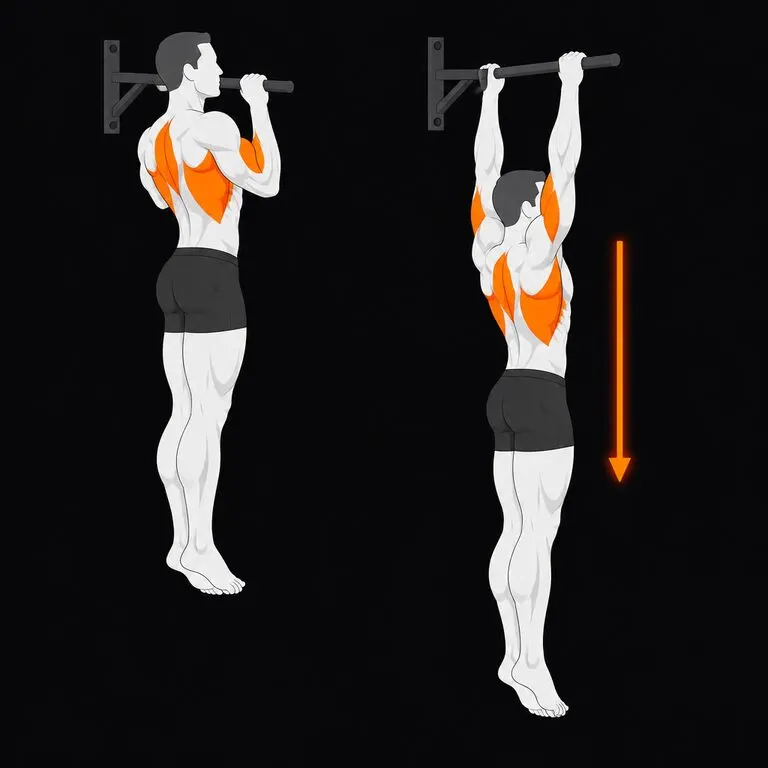
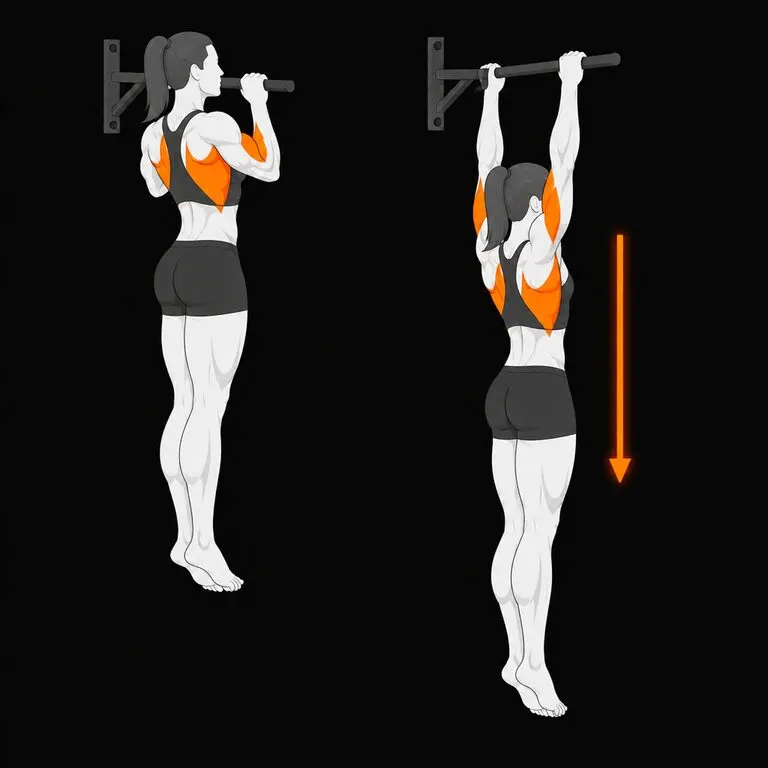
5. Negative pull-up
- Same main muscle
- Same movement pattern
- Pull-up bar
You start at the top and lower yourself slowly to straight arms. You can lower more weight than you can lift, so negatives build strength for your first full pull-up.
To build muscle: 3 x 3-8 reps (from the app's rules).
How to do it
- Jump or step up so your chin is over the bar.
- Lower yourself as slowly as you can, about 3 to 5 seconds.
- Keep your shoulders pulled down.
- Reset at the bottom and repeat.
-
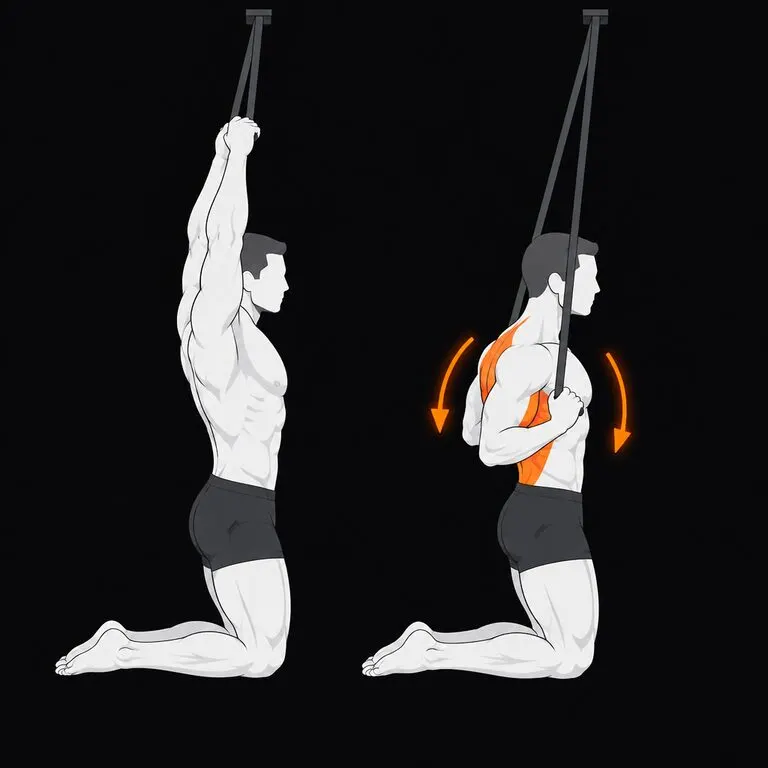
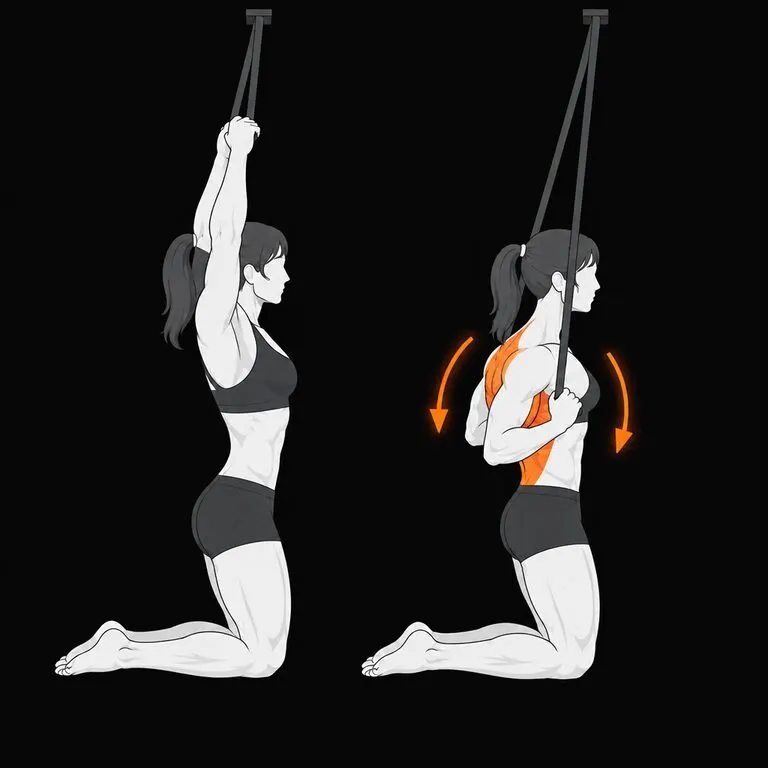
6. Band lat pulldown
- Same main muscle
- Same movement pattern
- Resistance bands
A band anchored high gives you a pulldown at home with no machine. The band is light at the top and heavier near your chest, so pull all the way down.
To build muscle: 3 x 8-12 reps (from the app's rules).
How to do it
- Anchor the band high on a door or bar.
- Kneel and hold the band with straight arms overhead.
- Pull your elbows down toward your ribs.
- Let your arms rise slowly back up.
-
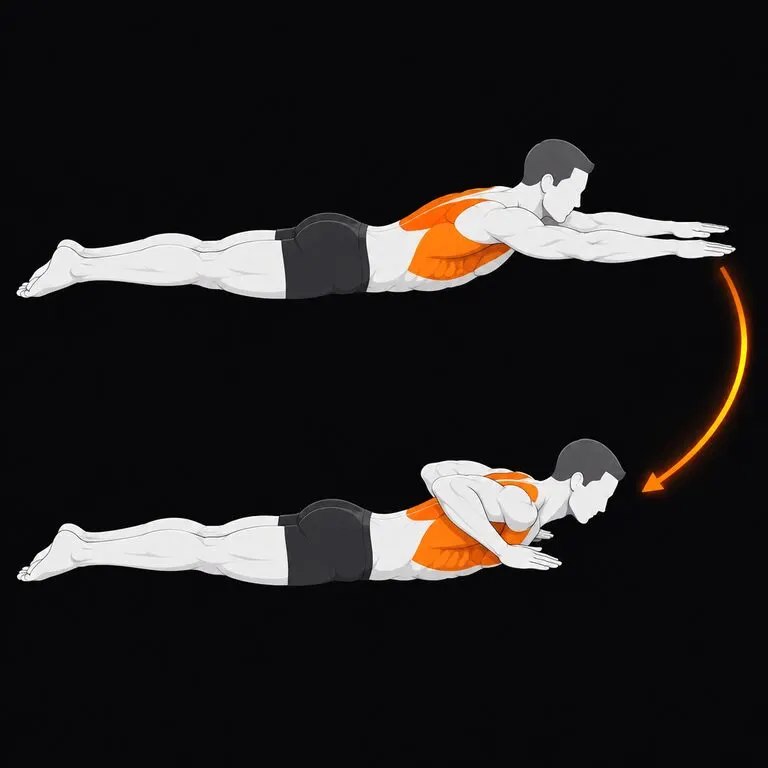
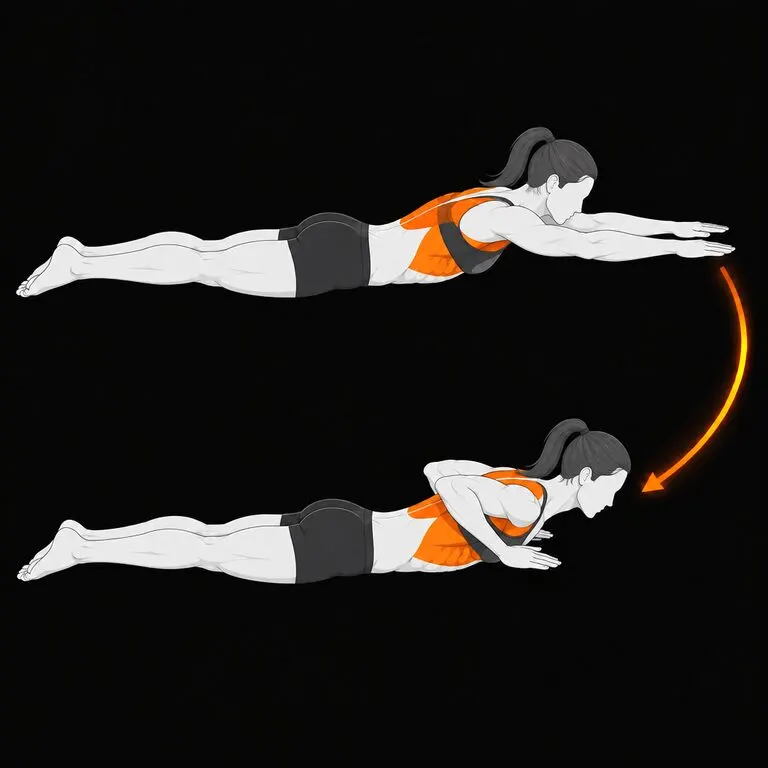
7. Prone lat pulldown
- Same main muscle
- Same movement pattern
- No equipment
You lie face down and pull your elbows to your ribs with your arms lifted. It has no load, so use it to learn the shoulder blade movement or as a warm-up.
To build muscle: 3 x 8-20 reps (from the app's rules).
How to do it
- Lie face down with your arms straight overhead.
- Lift your arms and chest a little off the floor.
- Pull your elbows down toward your ribs and squeeze your back.
- Reach back overhead slowly and repeat.
-
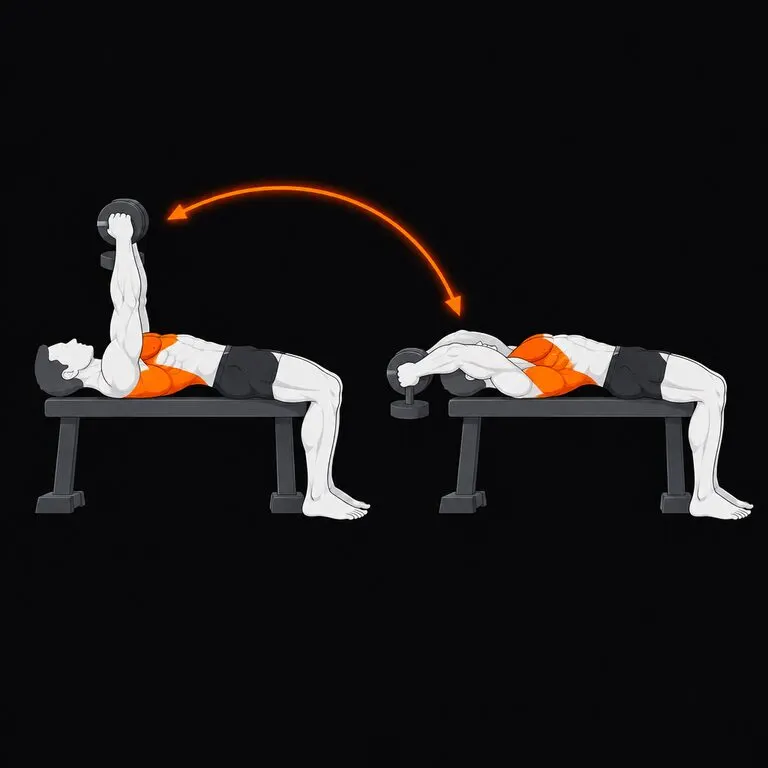
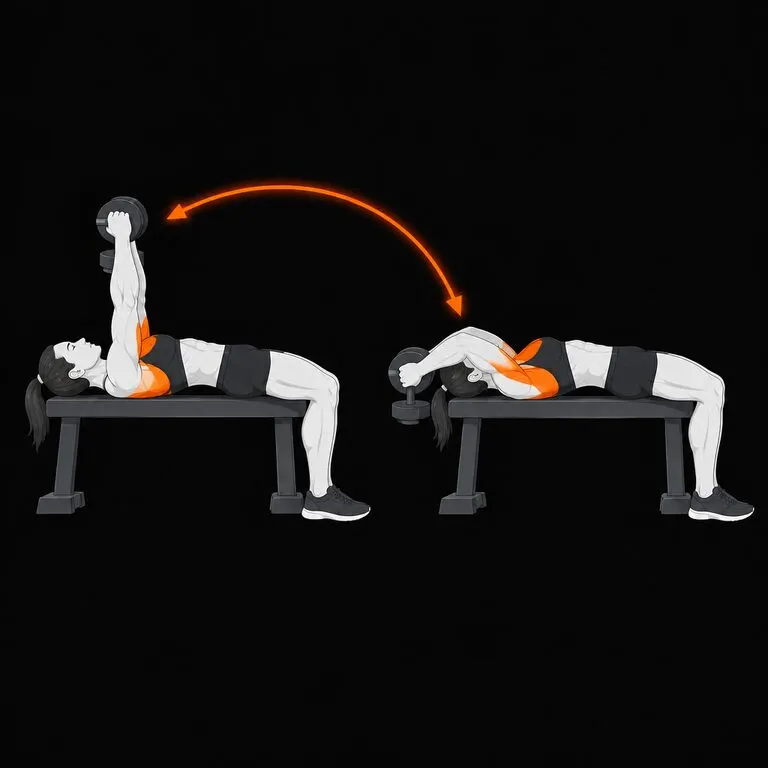
8. Dumbbell pullover
- Same main muscle
- Same movement pattern
- Dumbbells + Flat bench
The pullover moves your arm from behind your head to over your chest with the lats doing the work. It trains the lats with the elbows almost straight, so the biceps are mostly left out.
To build muscle: 3 x 10-15 reps (from the app's rules).
How to do it
- Lie across or along the bench with one dumbbell held over your chest.
- Keep a slight bend in your elbows.
- Lower the dumbbell back behind your head until you feel a stretch.
- Pull it back over your chest with your lats.


Comparison table
| Exercise | Main muscles | Equipment | Level | Same pattern |
|---|---|---|---|---|
| Pull-Up (this exercise) | lats, upper back and biceps | Pull-up bar | Intermediate | - |
| Chin-up | lats and biceps | Pull-up bar | Intermediate | Yes |
| Wide-grip lat pulldown | lats, upper back and biceps | Lat pulldown | Beginner | Yes |
| Close-grip lat pulldown | lats and biceps | Lat pulldown | Beginner | Yes |
| Assisted pull-up | lats, upper back and biceps | Assisted pull-up machine | Beginner | Yes |
| Negative pull-up | lats, biceps and upper back | Pull-up bar | Beginner | Yes |
| Band lat pulldown | lats and upper back | Resistance bands | Beginner | Yes |
| Prone lat pulldown | lats and upper back | None | Beginner | Yes |
| Dumbbell pullover | lats and chest | Dumbbells, Flat bench | Beginner | Yes |
How we chose
Keep the vertical pull: elbows drive down to your sides while your arms move from overhead to your ribs. The main problem with the pull-up is the load, because you must lift your whole body. A good swap lets you set the load lower, with a machine, a counterweight, a band or slow lowering reps. Keep your shoulders pulled down at the start of each rep, as you would on the bar. When you can do several clean reps of a swap, try a real pull-up again.
The ranking is the same rule as the swap list in the Oh My Coach app: exercises with the same first main muscle and the same movement pattern come first, then the rest of the pattern, ordered by how well each one works as a main exercise. An exercise never replaces itself. The extra picks for home, dumbbells and bands come from the same rule with only that equipment.
Questions
What can I do instead of pull-ups if I cannot do one?
Use the assisted pull-up machine, lat pulldowns or negative pull-ups. Negatives work well at home because you need only the bar. Chin-ups are often the first full rep people can do.
Can lat pulldowns replace pull-ups?
For the lats, mostly yes. Both are vertical pulls, and the pulldown lets you choose the load. To get better at pull-ups themselves, you still need to practice on the bar.
What is the best pull-up alternative at home with no bar?
Anchor a resistance band high on a sturdy door and do band pulldowns. With nothing at all, the prone lat pulldown trains the same pull with a light load. A doorway pull-up bar is a small purchase that opens up chin-ups and negatives.
Do chin-ups and pull-ups work the same muscles?
Mostly. In one EMG study the lats worked hard in both, the biceps and chest worked more in the chin-up, and the lower trapezius worked more in the pull-up.